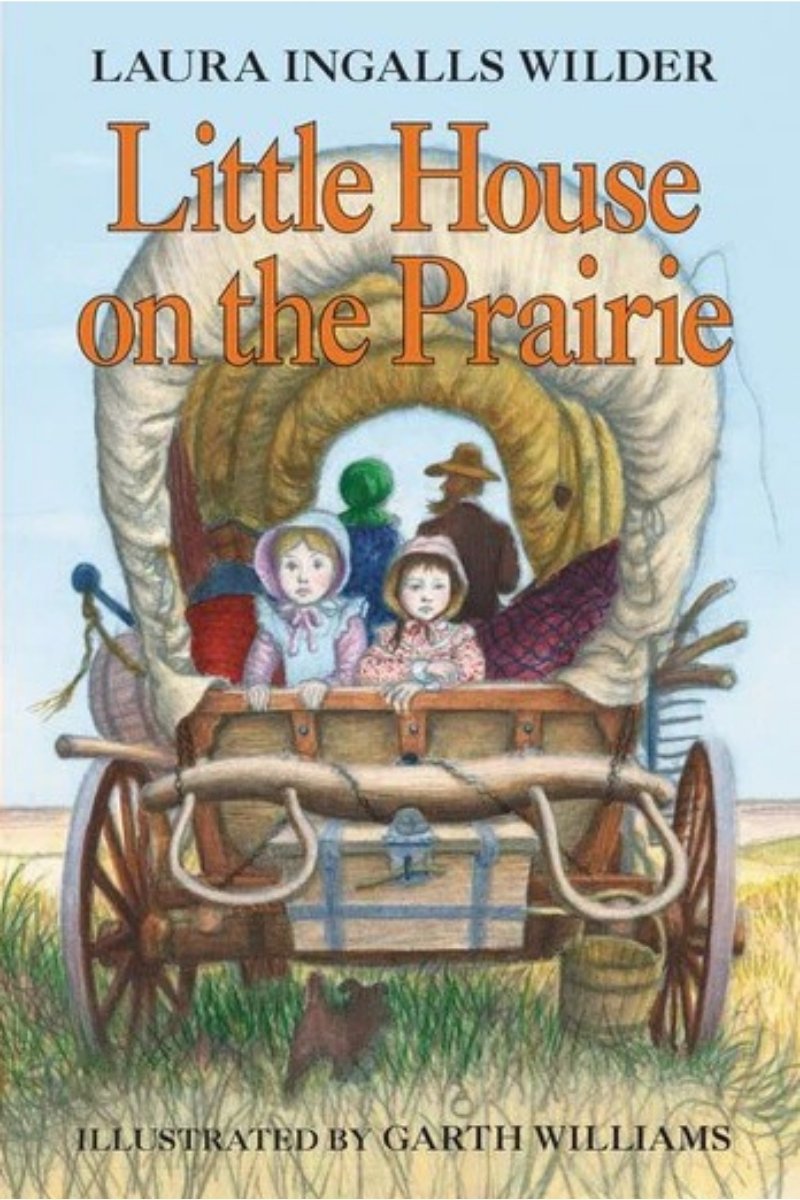
When I was a wide-eyed, recent college graduate about to start my first teaching job at a classical school, one of my administrators gave a presentation that I will never forget. First, she showed a handful of Garth Williams' beautiful illustrations from Little House on the Prairie and read some brief excerpts describing how Pa and Ma carefully and lovingly went about their daily tasks. Then, she opened up a popular contemporary picture book and flipped through the almost caricature-like illustrations of angry parents and naughty children engaged in a power struggle throughout the day. My boss's point was that it simply isn't true that "as long as they're reading," the form of a child's literary consumption is unimportant. Whether they are pre-readers simply listening to a parent read aloud, or early readers gaining momentum as they sound out their own words, the types of stories (and pictures!) to which children are exposed matters.
海角原创 鈥�
海角原创 鈥�
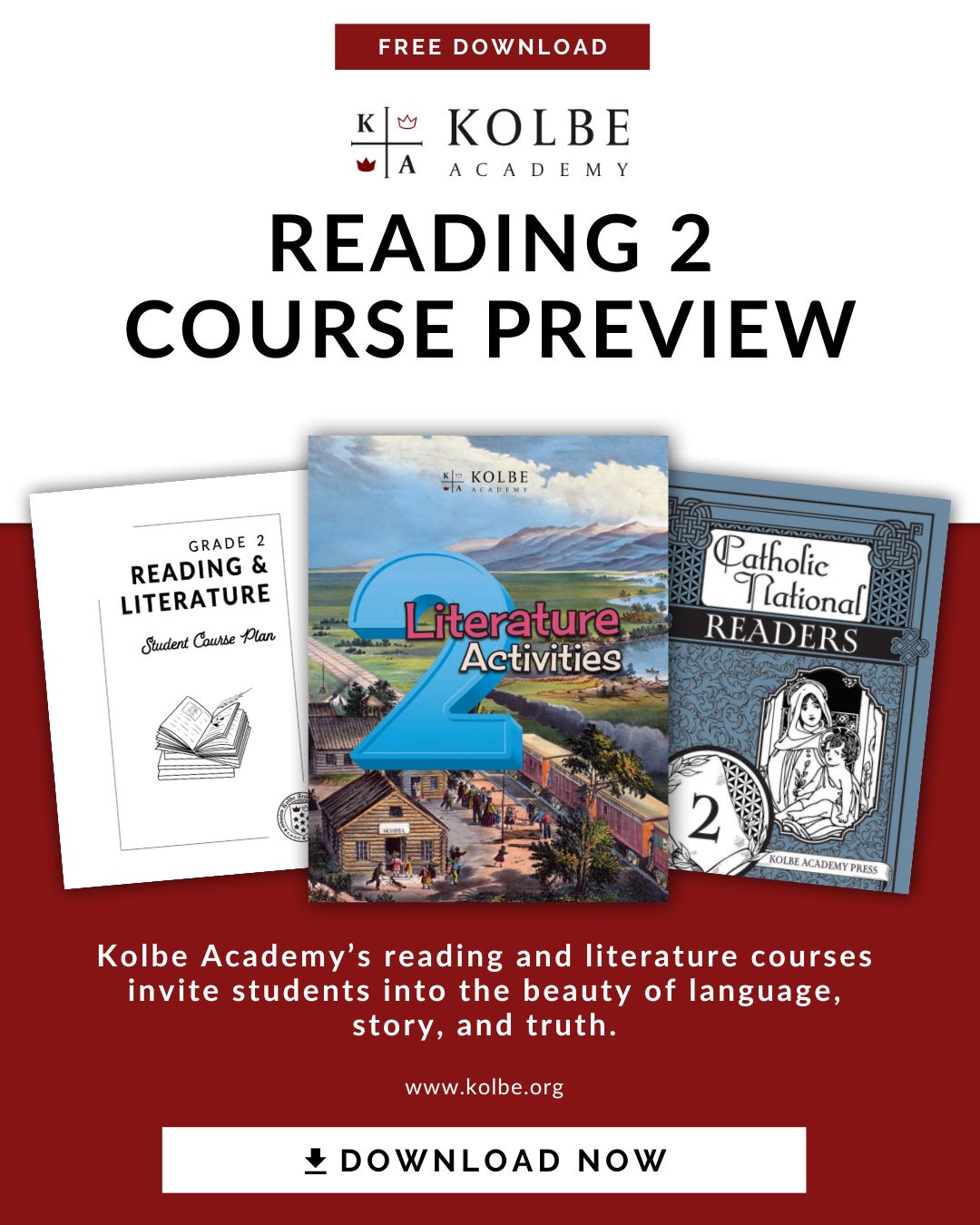
In our Kolbe literature curriculum, we have given students a beautiful set of books with which to begin their literature studies. Even beginning with PreK-2, we aren't just handing children a set of vapid stories simply because they'll be able to read them. The contain sweet and simple stories that, yes, allow young readers the chance to practice their fledgling phonics skills. At the same time, however, we want to give them stories that are exciting, characters that they will love, and so we include classic children's literature in our curriculum as well. Sure, for some families, the parents may need to do quite a bit of the reading of these more difficult books 海角原创 鈥攖hat's ok! My mother-in-law tells a story about how one of her children took longer to learn how to read 海角原创 鈥攗ntil she started listening to Little House on the Prairie (it's a magical book!). My mother-in-law noticed that this child was starting to read ahead in the book because she didn't want to have to wait to be read to anymore. The right motivation was all that was needed to kickstart her reading!
海角原创 鈥�
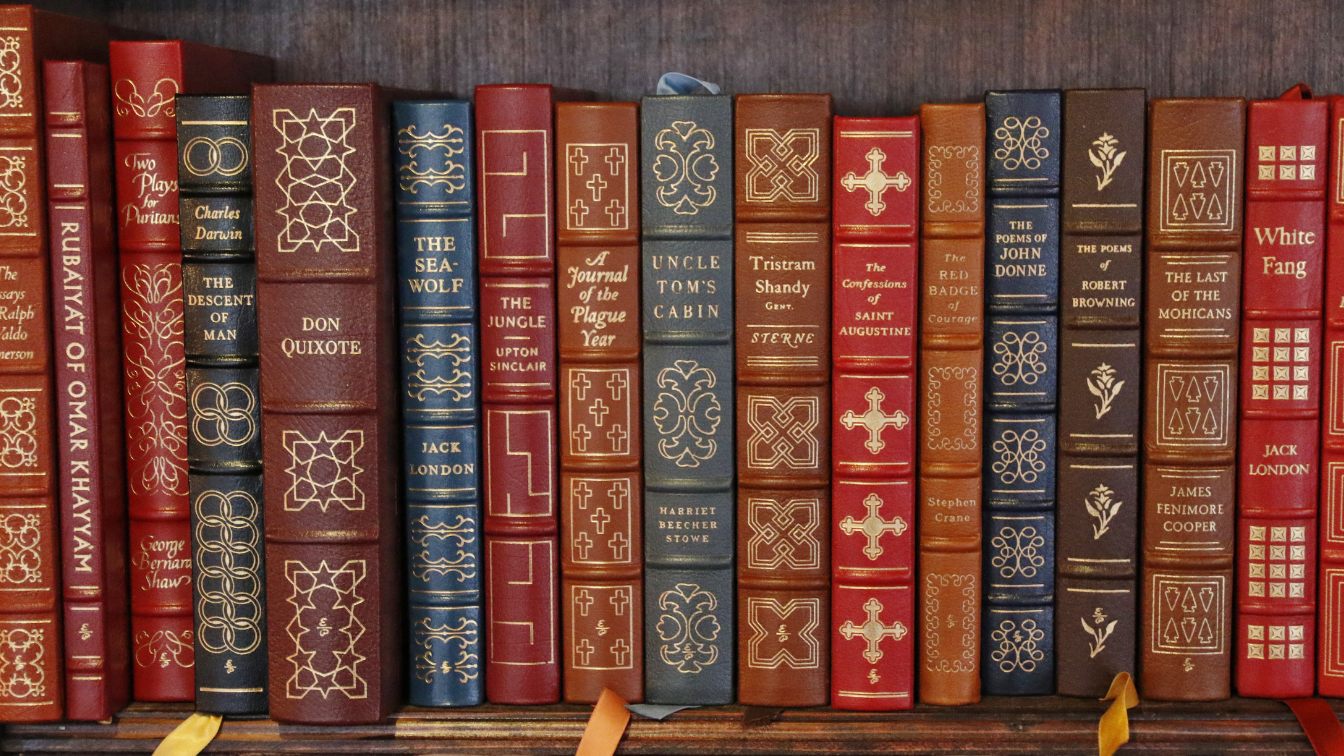
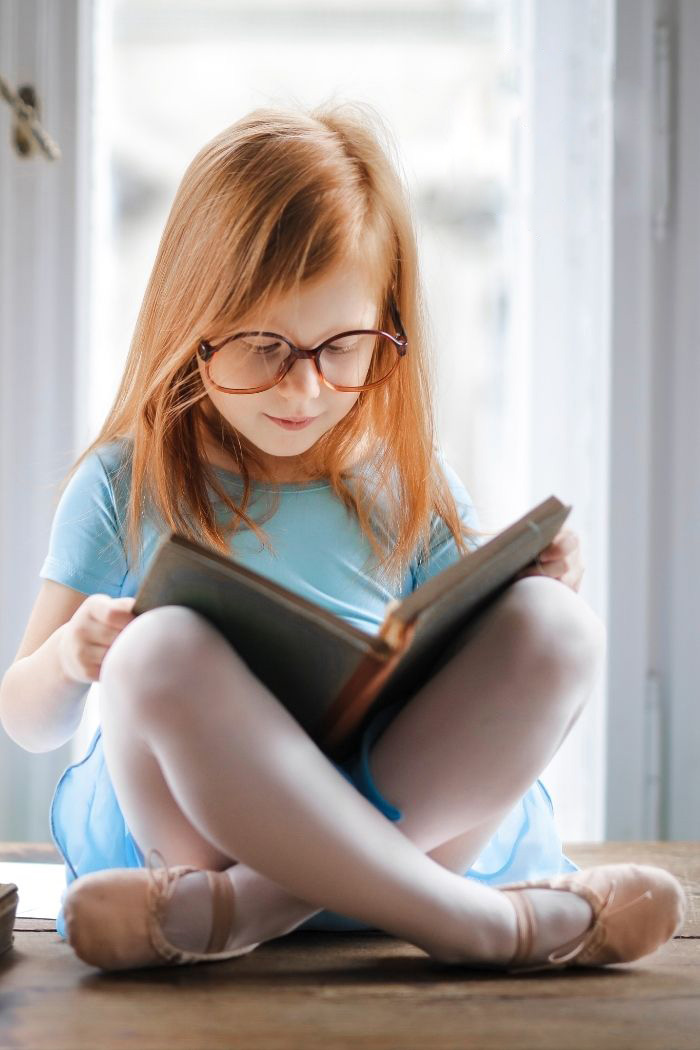
Kolbe families have a great advantage in that the curriculum helps to build a home library with beautiful books. However, I would also encourage you to curate your family's "free reading" books as well, keeping in mind those principles of truth, goodness, and beauty that are ubiquitous when we speak of classical education. The goal is to create an entire home culture, not just one limited to school hours. When I look back on my own school years (from elementary school all the way through college), of course there are many specifics of each grade, class, or even book that have gotten fuzzy over the years. However, even as a student, I could sense all along how my interior life was influenced by what I read 海角原创 鈥攈ow I became more thoughtful, how my vocabulary was enriched, how I wanted to be more like certain characters, how my faith life was changed not only by explicitly religious books like saint biographies, but also by novels, philosophy, and history. I truly believe that this gradual formation started from my earliest years as a reader, and that I would be a different person today if I had not had a regular diet of good literature. My tastes certainly were formed by the books that I read as a child 海角原创 鈥攄on't underestimate the influence of your child 海角原创 鈥檚 current 海角原创 鈥渇un reading 海角原创 鈥� on his or her future reading habits!
海角原创 鈥�
海角原创 鈥�
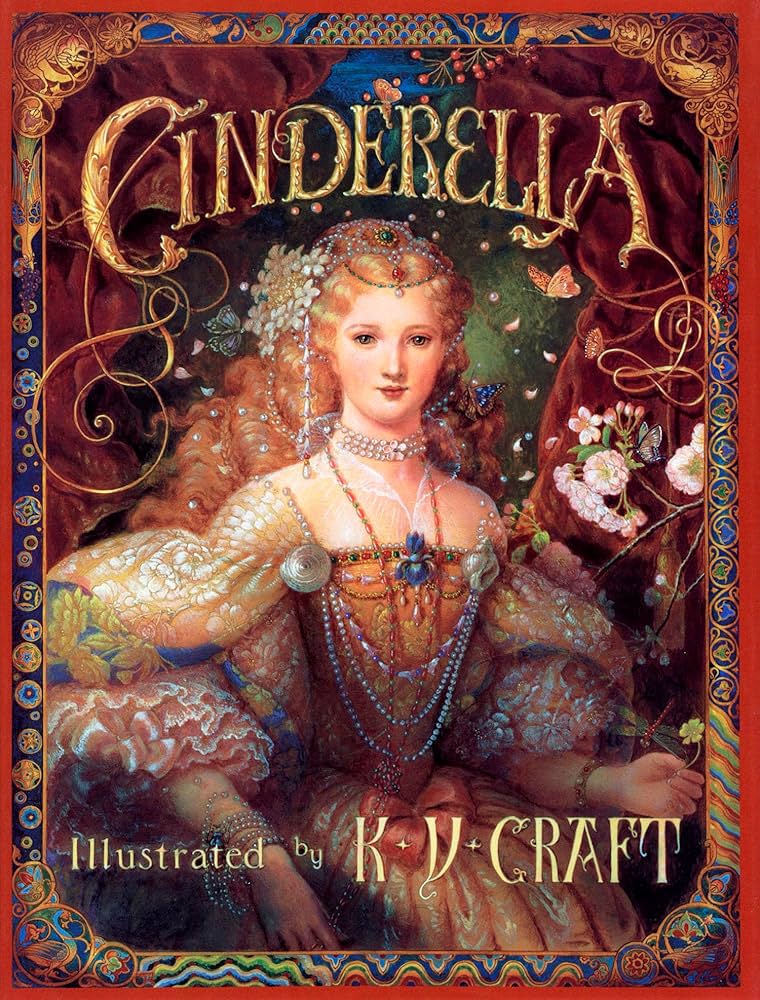
So how does one begin curating one 海角原创 鈥檚 personal library? As an elementary school teacher, I have always had many picture books on my shelves, and my starting principle has always been beauty. Are the illustrations beautiful? Or are they merely another source of neon-colored overstimulation? Or even ugliness? The quality of the illustrations often reflects the amount of care put into the story itself; in any case, a child who cannot yet read for himself deserves to have something beautiful upon which to feast his eyes. As an example, I encourage you to look up the version of 海角原创 鈥淐inderella 海角原创 鈥� illustrated by K.Y. Craft 海角原创 鈥攚hat a better version of the story than any Disneyfied version of a fairy tale also encourage you to consider how adults are portrayed in picture books as well as beginner chapter books. While there certainly are many 海角原创 鈥渂umbling 海角原创 鈥� adults in classic children 海角原创 鈥檚 literature, a book that depicts the general class of grown-ups as stupid, mean, and vicious oppressors of child-kind is not beneficial. However, a book that shows adults as well as children overcoming a particular fault or vice can be gold! is a great example of this.
海角原创 鈥�
海角原创 鈥�
海角原创 鈥�
As your children grow and are ready for increasingly complex novels, picking up other books by authors in the Kolbe curriculum is an easy strategy for guiding your reading choices. For example, only the first of the series is in our curriculum, but the entire series about young Anne can last a young lady for a year! The Little House on thePrairie series and the many, many books are also helpful in this regard. Of course, there are other books that would be a great addition to your home library. Some of the following are my favorites.
海角原创 鈥�
Elementary-Middle:
Smith of Wootten Major and Leaf by Niggle by J.R.R. Tolkien (fantastic short stories!)
The Giver by Lois Lowry (definitely for 5th grade up, has some material not suitable for younger elementary, but a fantastic series)
The Golden Key and The Light Princess by George MacDonald (fantasy)
From the Mixed-Up Files of Mrs. Basil E. Frankweiler by E. L. Konigsburg (realistic fiction)
The Trumpeter of Krakow by Eric Kelly (historical fiction)
Sun Slower, Sun Faster by Meriol Trevor (historical fiction with a faith-filled twist)
The Great Good Thing by Roderick Townley
海角原创 鈥�
High School:
Middlemarch by George Eliot
The Scarlet Pimpernel by Baroness Orczy
Helena by Evelyn Waugh
The Power and the Glory by Graham Greene
Ivanhoe by Sir WalterScott
The Hound of the Baskervilles by Sir Arthur Conan Doyle
海角原创 鈥�
This is a very short list, but I hope that it helps you to get started! One important thing to note about these books is that, while they are of course very good books in terms of themes, character, etc., they are also simply enjoyable to read. The act of learning is not just in service to one 海角原创 鈥檚 future career. Those of us who pursue classical education believe that learning is an act of leisure and is good for its own sake; therefore, it should be enjoyable! And so as you arrange your school shelves and library books this fall, I encourage you to take a look at the kinds of books you have on your 海角原创 鈥渇un 海角原创 鈥� shelves. Are they both good for the soul and enjoyable for the mind? If so, you are well on your way to creating a beautiful home culture.
海角原创 鈥�
For more book ideas, visit Kolbe Resources where you can download previous summer reading lists for free.
海角原创 鈥�
海角原创 鈥�
With its rich Catholic heritage, thoughtful design, and engaging activities, the is a joyful way to nurture a life long love of reading.
海角原创 鈥�
Want to hear more about the vision and process behind Kolbe 海角原创 鈥檚 project to update the Catholic National Reader? Tune in to our podcast episode 海角原创 鈥� Episode 271 Building a Literary Foundation 海角原创 鈥� where Maggie Hayden and Mara Matteoli share the story of bringing these timeless readers into the modern Kolbe class.
海角原创 鈥�
海角原创 鈥�
海角原创 鈥�
海角原创 鈥�